UK Bookmakers Prepare Legal Challenge Over Gambling Commission's Affordability Proposals
Riley Krüger · May 17, 2026

UK Bookmakers Prepare Legal Challenge Over Gambling Commission's Affordability Proposals
Bookmakers across the United Kingdom have signaled their intent to pursue legal measures against the Gambling Commission, with threats of judicial review forming the core of their response to proposed affordability checks that would demand payslips along with other detailed financial documentation from customers. The Betting and Gaming Council, under chief executive Grainne Hurst, has outlined concerns that these measures emerged without sufficient industry input or pilot testing, and that they risk shifting activity toward unregulated operators. This development unfolds against a backdrop of sustained regulatory adjustments throughout the UK gambling sector during 2026.
Details of the Proposed Checks and Industry Response
Under the plans under consideration, operators would need to implement more rigorous verification processes for punters, requiring evidence such as salary slips and bank records to assess spending patterns. Those who've followed teh regulatory landscape note that the checks aim to strengthen consumer protections, yet the Betting and Gaming Council maintains they bypass established consultation routes and lack prior evaluation through controlled trials. The organization argues this approach could inadvertently funnel customers toward illegal platforms that operate outside any oversight framework.
Observers point out the timing coincides with broader tightening measures expected to take fuller effect later in the year, including adjustments around May 2026 when several compliance deadlines approach for licensed firms. The Betting and Gaming Council has emphasized that proper engagement with operators might have produced more balanced outcomes, while data from previous regulatory shifts shows how abrupt changes can alter market dynamics in unexpected ways.
Arguments Presented by the Betting and Gaming Council
Grainne Hurst and her team at the Betting and Gaming Council have highlighted several specific objections, including the absence of phased rollouts that allow operators to measure impacts on player behavior. Studies from earlier policy implementations indicate that when verification steps feel overly intrusive, participation often migrates toward less regulated channels. The council contends that without trial periods, the full effects on both legal markets and consumer choices remain difficult to predict accurately.
Potential Market Shifts and Black Market Concerns
Analyses shared by the Betting and Gaming Council suggest that heightened barriers at licensed sites could increase the appeal of offshore or unlicensed alternatives, where affordability checks do not apply. Figures from industry monitoring reveal that black market activity has already captured noticeable portions of overall gambling engagement in recent periods, and further restrictions without safeguards might accelerate that trend. Those monitoring these patterns stress the importance of balancing protection goals with maintaining viable options inside the regulated environment.
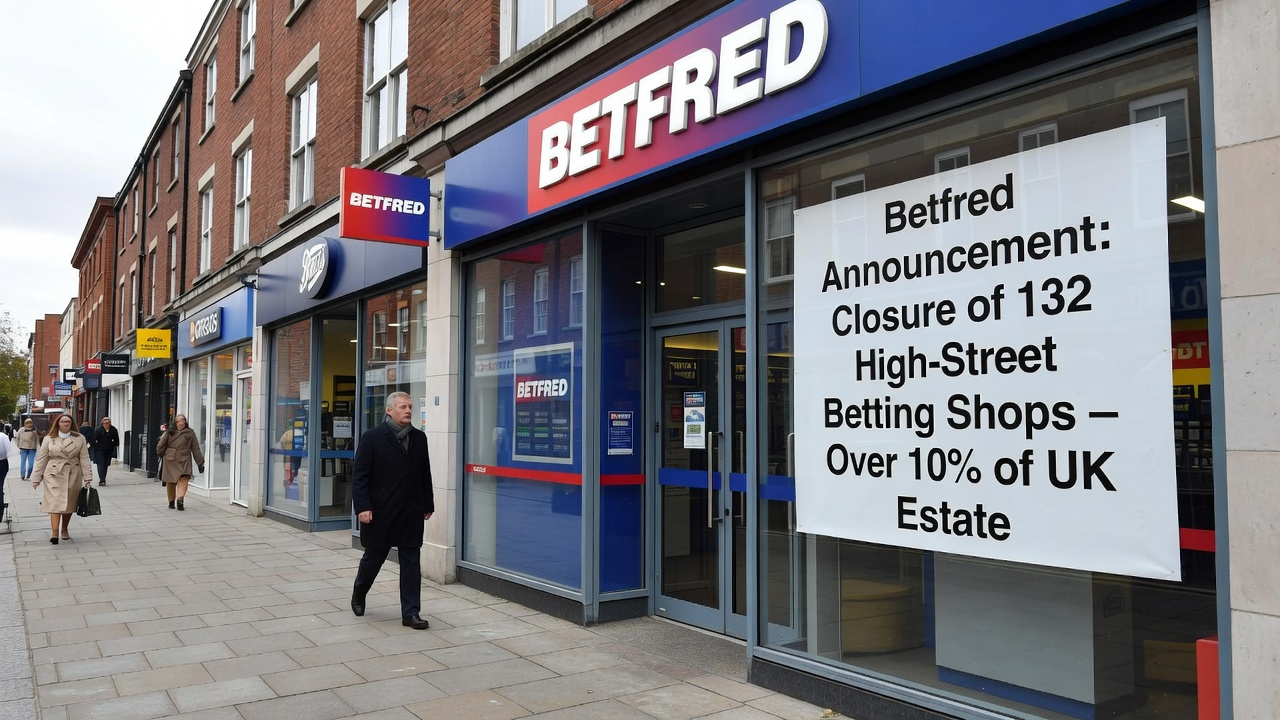
Legal experts familiar with administrative challenges note that judicial review represents a formal route for questioning whether the Gambling Commission followed proper procedures in developing these requirements. The process would examine issues around consultation adequacy and evidence gathering, rather than debating the underlying policy merits. Such actions have precedent in other regulated sectors where stakeholder input appeared limited during policy formation.
Broader Regulatory Context in 2026
Throughout 2026 the UK gambling sector has experienced ongoing refinements to licensing conditions and compliance expectations, with affordability considerations forming one element among several. The proposed checks build on earlier discussions about player protection, yet the current dispute centers on execution methods and the level of dialogue between regulators and operators. Evidence from comparable jurisdictions shows that gradual introduction paired with data collection tends to produce clearer insights into effectiveness compared with immediate mandates.
People who've tracked these developments observe that the Betting and Gaming Council continues to advocate for collaborative approaches, including joint working groups that could refine verification protocols before wider deployment. This stance aligns with patterns seen in previous regulatory updates where industry feedback helped shape practical implementation steps.
Next Steps in the Dispute
The situation remains fluid as the Betting and Gaming Council evaluates formal legal options, with any judicial review application likely requiring detailed submissions on procedural grounds. Meanwhile, the Gambling Commission has not publicly detailed its response strategy, though standard regulatory practice involves continued engagement even amid challenges. Outcomes from similar disputes in financial and consumer protection fields suggest that courts focus narrowly on whether decision-making processes met legal standards of fairness and rationality.
Conclusion
The standoff between UK bookmakers and the Gambling Commission over affordability checks illustrates the complexities involved in advancing consumer safeguards while preserving market stability. As proceedings potentially move toward judicial review, stakeholders on all sides await further clarification on consultation requirements and trial mechanisms. The resolution of this matter could influence how future regulatory proposals incorporate industry perspectives, particularly during periods of heightened oversight such as those unfolding in 2026.