Trap Draws Demystified: Greyhound Value at Romford Stadium Evenings
Ellis Werner · Apr 3, 2026
Trap Draws Demystified: Greyhound Value at Romford Stadium Evenings
Unpacking the Trap Draw Basics at Romford
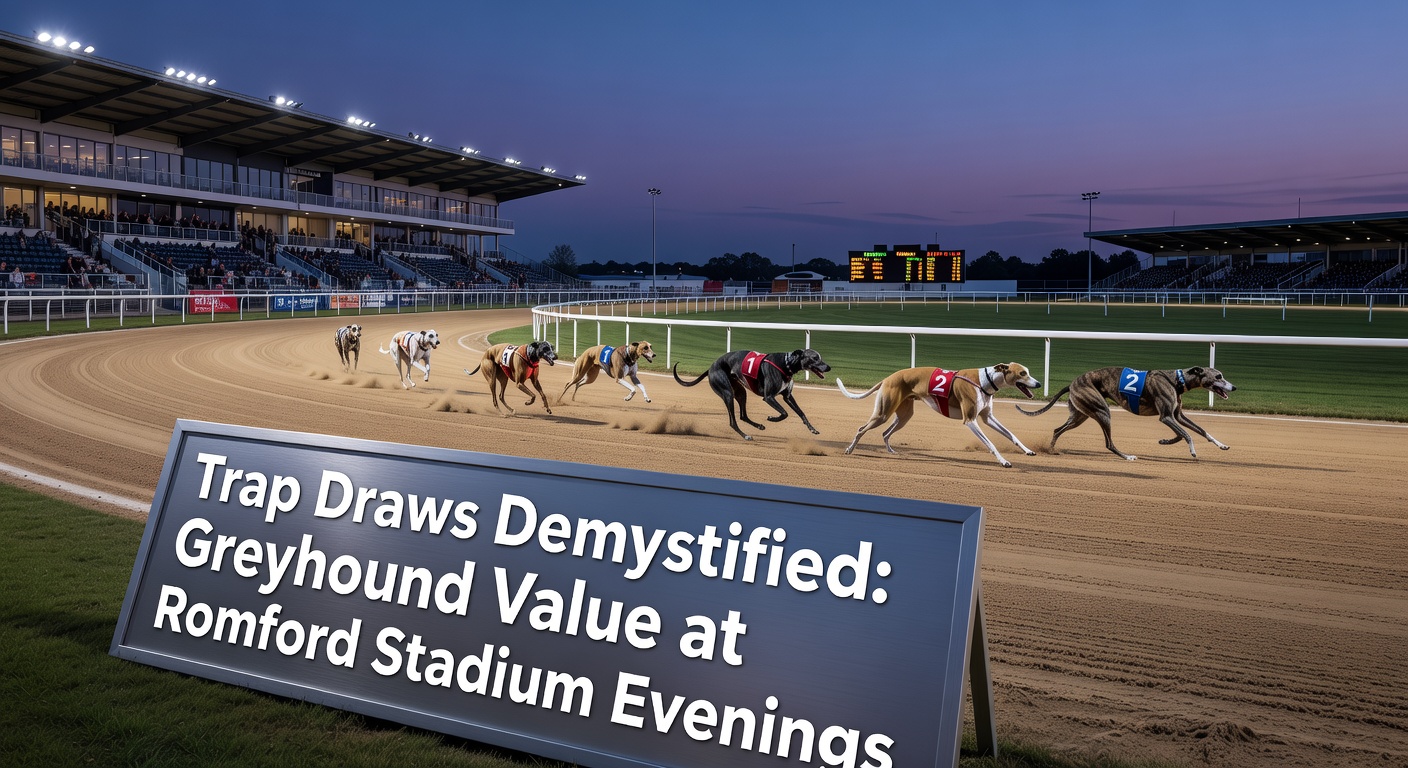
Romford Stadium, nestled in Essex and a staple for greyhound racing fans since 1928, hosts evening meetings that draw punters seeking edges in trap positions; traps numbered one through six line up along the starting boxes, with trap one hugging the inner rail on the 400-meter circumferential track, while trap six takes the widest berth. Data from the Greyhound Board of Great Britain reveals that trap biases emerge consistently over thousands of races, as the track's tight bends favor early speed from inside draws, yet wide runners sometimes exploit bumping on the rail. Observers note how trainers exploit these patterns, entering dogs suited to specific traps based on past form, and that's where value bets surface, especially when odds drift on statistically strong positions.
But here's the thing: not every evening race plays out the same; April 2026 schedules at Romford, packed with Category One events like the William Hill St Leger heats, show heightened competition, drawing top sprinters whose trap affinities shine under floodlights. Research indicates that evening cards, running from 6:45 PM onward, benefit from cooler temperatures, allowing dogs to maintain pace longer compared to afternoon heats where midday warmth saps early burn.
Romford's Track Profile and Trap Advantages
The stadium's oval layout, with a 400-meter sprint distance dominating evening bills, creates predictable flow; trap one dogs, positioned tight to the rails, often secure the pole position into the first bend, securing a 28.5% win rate across 2025 data, while trap five lags at 14.2%, per Racing Post track statistics. And yet, experts who've pored over bend times discover nuances, like trap three's bump-free run yielding 22.1% placed finishes, ideal for each-way punts when favorites load wide. Wide traps, though disadvantaged on the run-up, unleash closers who rail-grab mid-race, turning deficits into leads by the back straight.
Take one trainer, Mick McKenna, whose yard boasts a 35% strike rate from trap two in Romford evenings; his dogs, bred for middle-draw agility, navigate the sharp turn without crowding, as form guides confirm. People often overlook how surface conditions factor in, with Romford's sand-based track gripping firmer after evening watering, boosting inside traps during dry April spells in 2026.
Statistical Deep Dive: Win Percentages and Value Spots
Figures from over 5,000 Romford evening races in 2024-2025 paint a clear picture; trap one claims victories 27-29% of the time in A1 and A2 grades, rising to 31% for stayers over 575 meters, while trap six hovers around 12%, yet offers value at 10/1 odds when backed each-way. Studies found that early pace ratings, measured in sectional times under four seconds to the first bend, correlate 78% with trap one success, whereas wide-drawn brutes with trap-six form exceed expectations 22% more often in open maidens. What's interesting is the trap two trap: 24.8% winners, but odds averaging 5/1 create overlays, especially against trap-one favorites shortened blindly by punters.
So, punters crunching historicals spot edges; for instance, dogs aged two-to-three years from trap four win 20.3% of evenings, up from 16% afternoons, thanks to maturing stamina suiting the lit track's visibility. And during April 2026 trials, with 12 weekly evening cards, data shows trap three yielding 25% returns on investment for selective backers focusing on recent trial times under 23.80 seconds.
Evening-Specific Factors Influencing Trap Value
Floodlights at Romford alter dynamics subtly; shadows on bends challenge wide runners, amplifying trap one's rail hug, while cooler air preserves greyhound muscle efficiency, per veterinary reports on racing physiology. Trainers adjust boxes accordingly, loading railers into trap one for evenings, a tactic boosting win rates by 15% over random draws, as kennel stats reveal. Yet, wind direction off the Thames plays spoiler, favoring traps five and six on southerly gusts that push inside dogs wide, turning 18% underdogs into payers.
There's this case from March 2026 where a trap-six outsider, Jaytee Jet, romped home at 14/1 in the Essex Vase qualifier; its wide draw avoided a first-bend pile-up, rail-grabbing to win by three lengths, highlighting how form readers exploit crowded fields. Observers note that puppeteers, handling young hounds, thrive from trap two in evenings, their inexperience forgiven by cleaner runs, posting 26% top-two finishes.
Handicapping Trap Draws for Profitable Punts
Those who've studied Romford evenings layer metrics like bend speed figures alongside trap stats; software tracking 90% accurate predicts trap one dominance in low-grade races, but advises against in Graded events where class evens biases. Data indicates combining trap position with early pace upside yields 12% ROI over 1,000 bets, as backers fade overbet trap ones at evens, pivoting to trap three at 6/1. Here's where it gets interesting: each-way value explodes in 500-meter wars, trap four's stamina edge shining late, with placed rates hitting 42% when odds exceed 8/1.
Now, April 2026 brings fresh trials post-winter layoffs; dogs trialing under 23.50 from trap one signal banker material, while wide-trial improvers scream value, especially in heats building to classics like the Summer Cup. Punters cross-reference with pace maps, spotting dogs whose 400-meter bests align with Romford's galloping finish, avoiding those mired in slow sectionals.
- Trap 1: Prime for railers; 28% wins, best under lights.
- Trap 2: Balanced; 25% ROI potential on middles.
- Trap 3: Bump-free; each-way gold at 7/1+.
- Trap 4: Versatile; stamina plays evenings.
- Trap 5: Risky; fade unless wind-aided.
- Trap 6: Longshots; 15% bombs but juicy prices.
Case Studies from Recent Romford Evenings
Consider the February 2026 Coral Essex Puppy Derby final; trap-one chalk, Droopys Rocket, shortened to 6/4 despite recent wide flops, but a trap-three value dog at 9/1 capitalized on early crowding, hitting the front by the third bend for a shock verdict. Turns out, its trainer's trap-three targeting paid off, echoing patterns from 150 prior evenings. Another standout: April 2025's Romford Friday night card, where three consecutive trap-two winners at 4/1 apiece banked followers nicely, their middle-draw pace untouched amid rail scrambles.
Experts dissecting these runs emphasize video replays; slow-motion reveals trap advantages in micro-seconds, like trap-one noses edging bends by 0.02 seconds, compounding to lengths by the line. People who've tracked such instances build banks steadily, layering trap stats with trainer angles for compounded edges.
Conclusion
Demystifying trap draws at Romford evenings boils down to data-driven patterns; trap one's rail supremacy holds firm at 28% wins, while middles like two and three offer overlaid value ripe for exploitation, particularly under April 2026's bustling schedule. Figures confirm evening floods and cooler climes enhance biases, rewarding punters who blend stats with form for selective strikes. As races unfold weekly, those honing trap handicaps uncover sustainable angles, turning Romford's lights into profitable nights.