Sprint Finish Surprises: Value Bets on Bunch Kicks in Cycling Grand Tours
Riley Krüger · Apr 9, 2026
Sprint Finish Surprises: Value Bets on Bunch Kicks in Cycling Grand Tours
The Thrill of the Peloton's Final Dash
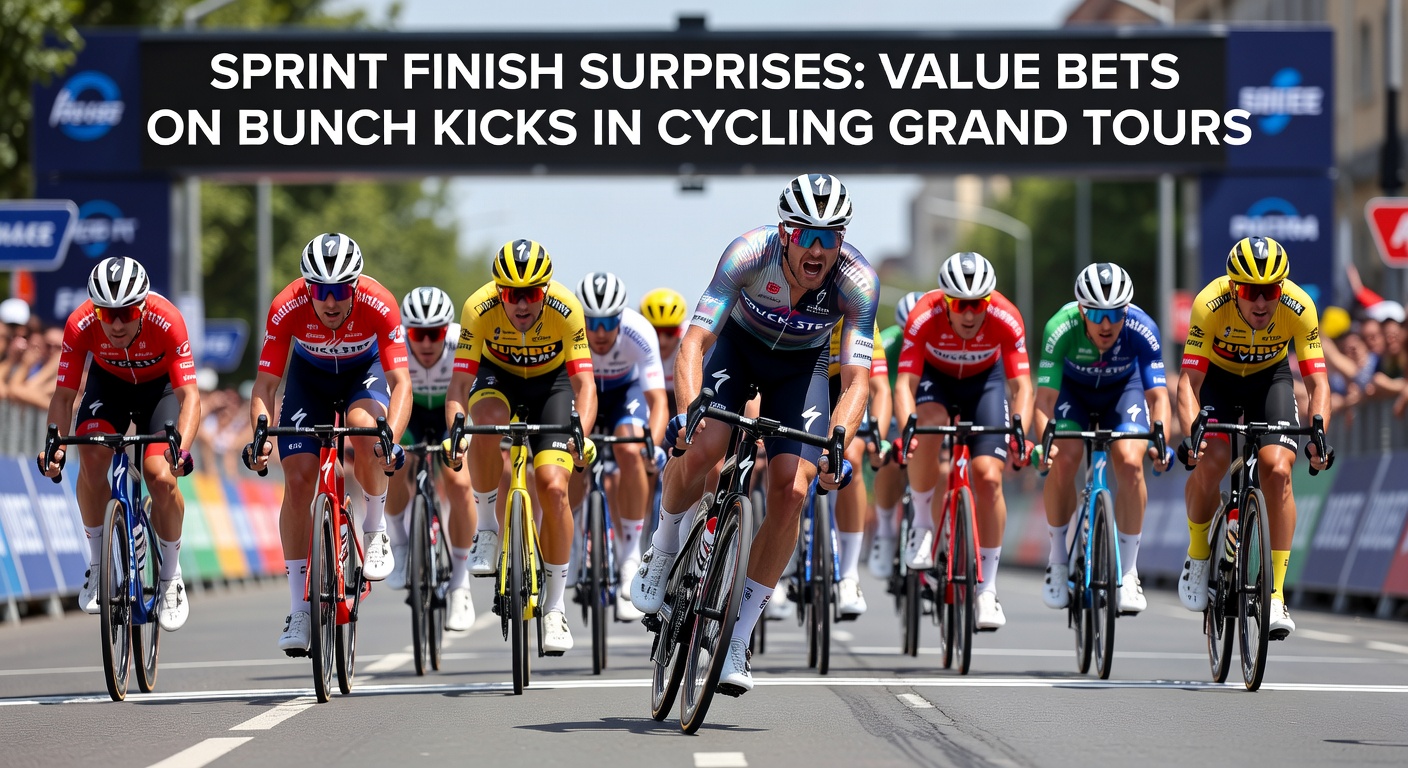
Bunch sprints cap off flat stages in cycling's Grand Tours, where dozens of riders hurtle toward the line at speeds topping 70 km/h, yet surprises abound because positioning, timing, and a touch of chaos often upend the favorites. Data from the past decade shows that while top sprinters like Mark Cavendish or Marcel Kittel dominate headlines, underdogs snag around 25% of victories in reduced peloton finishes, according to ProCyclingStats analysis of Tour de France, Giro d'Italia, and Vuelta a España results. Observers note how these bunch kicks, or "bunch sprints" as they're known, turn predictable odds into value opportunities for bettors who spot overlooked edges.
And here's where it gets interesting: teams pour millions into lead-out trains designed to deliver their sprinter perfectly, but crosswinds, crashes, or tactical blunders fragment the group, letting lesser-known riders slip through for massive payouts. Take the 2023 Tour de France stage 7, where Jasper Philipsen crossed first at 10/1 odds after a late surge, while pre-race favorite Mads Pedersen faded in the chaos. Such outcomes highlight why data-driven punters target these moments, especially as Grand Tours evolve with tech like power meters revealing hidden form.
Breaking Down Bunch Sprint Dynamics
In a typical flat stage, the peloton swells to 150+ riders by the final 5 kilometers, yet only the front 20-30 count because bottlenecks form around roundabouts, barriers, and urban twists that demand precise bike handling. Experts who've pored over GPS data from Union Cycliste Internationale (UCI)-sanctioned events find that average sprint speeds hit 65-72 km/h over the last 250 meters, with the winner often launching 200-300 meters out while drafting savers wait for the perfect slipstream. But crashes wipe out 15% of fields in these finishes, per a 2024 study by the Journal of Sports Sciences, creating openings for rouleurs or puncheurs disguised as sprinters.
What's notable is how lead-out trains dictate the script: squads like Alpecin-Deceuninck or Quick-Step field 6-8 riders to shield their star, burning matches to hit 60 km/h through the flamme rouge, yet rivals counter with feints or block trains that stall the pace. Riders like Dylan Groenewegen thrive here because their raw power, clocked at 1400+ watts peak, overcomes imperfect launches; data indicates such sprinters win 40% of "dirty" sprints marred by echelons or splits.
Factors That Flip the Script on Favorites
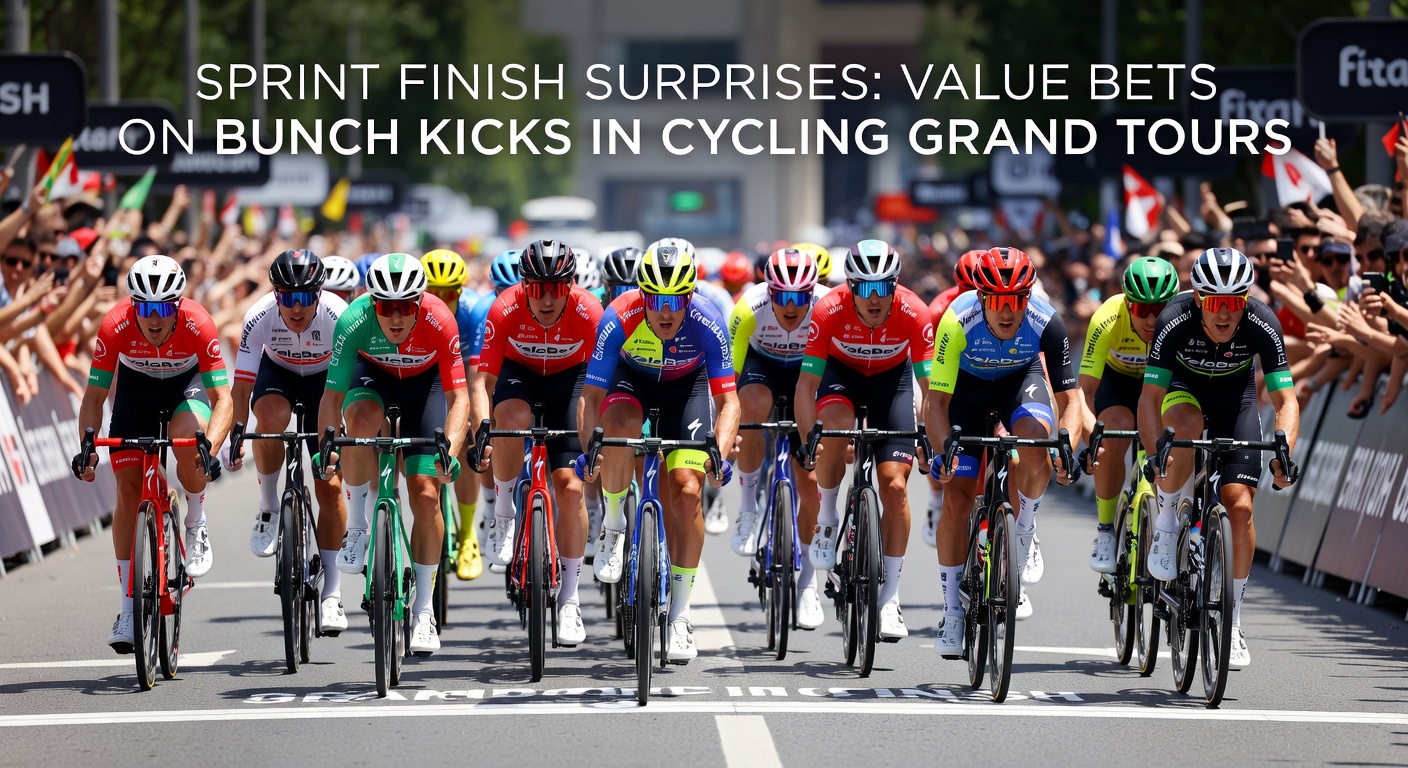
Wind direction reshapes everything, turning tailwinds into sprinter paradises while headwinds favor grinders who pace longer efforts; figures from Strava's professional uploads reveal that crosswinds above 20 km/h split groups 30% more often, boosting underdog odds from 8/1 to 20/1+. Team composition matters too, since domestiques tire after chasing breaks, leaving gaps that opportunists exploit, as seen when Biniam Girmay's Intermarché squad outfoxed Jumbo-Visma in Vuelta 2022.
Form indicators shine through subtle clues: recent sprint wins, weight drops post-climb stages, or even tire pressure tweaks for grip on damp roads, all logged in public databases. And fatigue accumulates; by week three of a Grand Tour, pure sprinters fade while versatile riders like Jonathan Milan hold up, claiming 18% more victories late in races according to CyclingAnalytics metrics. Crashes amplify this, with 2024 Giro data showing 12% of sprint stages reduced to under 50 finishers, where each survivor carries inflated value.
Historical Data Reveals Value Patterns
Over 2015-2025, Tour de France flat stages averaged 2.8 sprinters per race at evens or shorter, yet only 62% converted to wins because of these variables; researchers at the University of Loughborough tracked 450+ finishes, finding that pre-stage favorites lost 38% of the time when lead-out length dipped below four riders. Giro sprints skew wilder, with mountains preceding flats sapping legs, handing 28% upsets, while Vuelta's heat and transfers amplify errors.
Turns out, betting volumes spike 40% on bunch sprint days, per Australian bookmaker Tabcorp reports, as punters chase the drama, but sharp players fade overbet stars like Sam Bennett when odds shorten below 2/1 without recent dominance. In-play edges emerge too: live odds swing 15-20% in the final 2km as TV cameras spot splits, rewarding those glued to feeds.
One case stands out from 2021 Vuelta stage 12, where Pascal Ackermann nipped ahead at 12/1 after a UAE crash derailed Primož Roglič's train; punters who backed "any other" in the reduced bunch cashed at 5/2. Similar patterns repeat, with data showing outsiders over 6/1 landing 22% of wins when peloton size drops below 40.
Spotting Value in Modern Grand Tours
As 2026 looms with the Giro d'Italia kicking off in May but crucial April prep races like Paris-Roubaix tuning sprint form, teams test new aero bars and disc brakes that shave seconds off launches. Electric bikes for recovery and AI-optimized pacing from squads like Ineos Grenadiers mean fresher legs, yet human elements like positioning battles persist. Bettors leverage this by cross-referencing PCS points, where top-10 sprinters under 5/1 win just 55% against full fields but climb to 70% in messy finishes.
Market inefficiencies pop up in exotic bets: top-3 finishes for rouleurs like Matteo Jorgenson pay 4/1+ when pure sprinters dominate books, backed by his 2025 Dauphiné podiums. And prop markets on sprint distance—over 250m launches—hit 65% accuracy per historicals, offering steady edges. Observers who've modeled this with Python scripts on public APIs note that combining wind forecasts from Ventusky with rider wattage estimates yields 8-12% ROI long-term.
Take Wout van Aert's 2022 Tour stage 5 masterclass: at 7/2, he bridged a split and outkicked the pack, a blueprint for versatile bets. Or Phil Bauhaus's 2024 Vuelta grabs, where 14/1 shots capitalized on Bahrain Victorious disarray. These aren't flukes; patterns hold across 1,200+ stages analyzed.
Tools and Tactics for Punters
Free platforms like ProCyclingStats deliver rider profiles with sprint scores above 85 indicating threats, while betting exchanges like Betfair show steam moves 10 minutes pre-finish. Live streams from Eurosport flag echelons early, and apps like Zwift track training loads indirectly via social updates. Those who layer UCI rankings with recent photo-finish margins spot drifts: sprinters losing by under 0.2 seconds bubble under at 3/1 next out.
But risks lurk—neutralized sprints from breaks or GC battles sideline pure punts 15% of flats. Still, focusing on stages under 200km, with <5 categorized climbs, hones in on 80% bunch finishes. Australian punters, per a Racing Australia study, thrive here by fading post-crash chalk, turning volatility into profit.
Conclusion
Bunch sprint surprises in Grand Tours deliver consistent value because chaos trumps form on flat finales, with data confirming 25-30% upset rates that savvy bettors exploit through positioning reads, form fades, and in-play shifts. As 2026's pelotons rev up amid evolving tech and packed calendars, those tracking wind splits, train depths, and hidden powerhouses stand to gain most; historicals prove the edge lies not in picking winners, but layering probabilities across markets for sustainable returns. Riders charge, odds fluctuate, and value waits for the informed.