Long-Haul Travel's Hidden Costs for Racehorses in Endurance Events
Iris Otto · Jul 22, 2026
Long-Haul Travel's Hidden Costs for Racehorses in Endurance Events
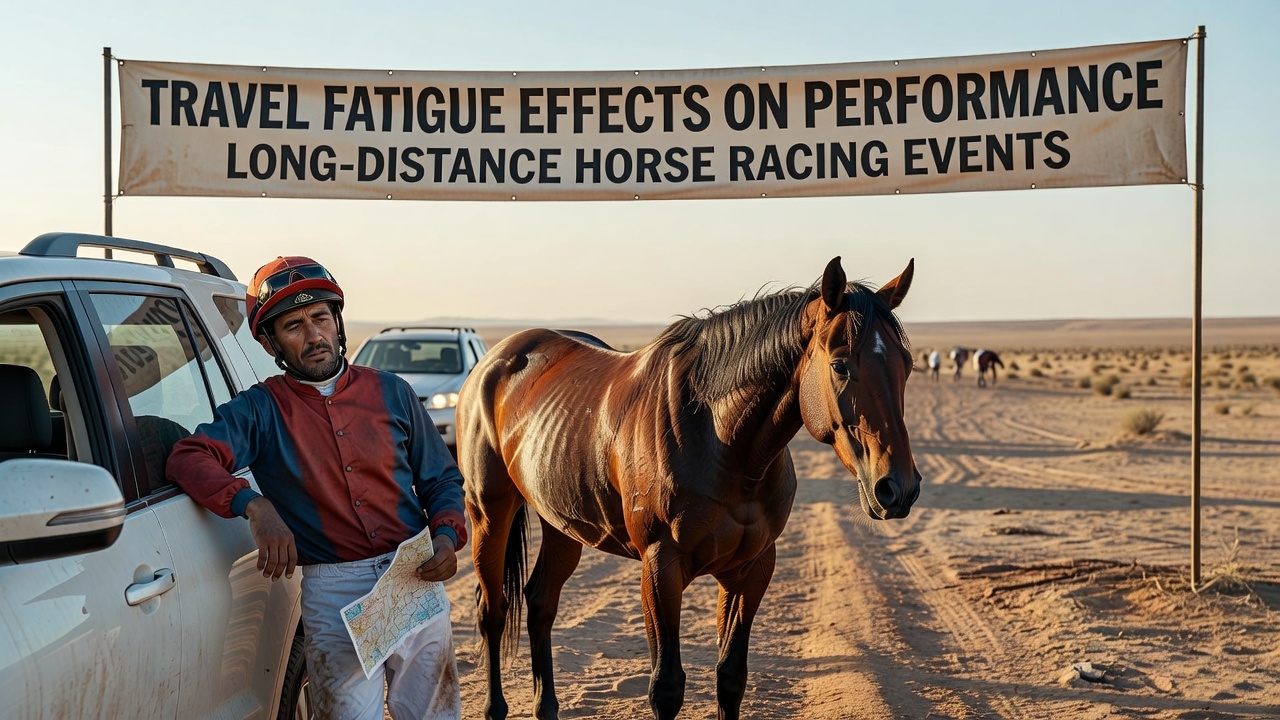
Long-distance travel places substantial demands on thoroughbreds competing in extended racing formats, and researchers continue to document measurable changes in recovery patterns and race-day outputs. Transport over hundreds or thousands of kilometers triggers elevated cortisol levels, disrupted sleep cycles, and shifts in muscle glycogen stores that persist well after arrival at the destination venue.
Physiological Responses During Extended Journeys
Horses traveling by road or air experience repeated vibrations, temperature fluctuations, and restricted movement that increase heart rate and respiratory effort for hours at a time. Studies from the University of Sydney Equine Research Unit indicate that journeys exceeding eight hours produce sustained elevations in plasma lactate and creatine kinase, markers that correlate with reduced stride efficiency in the first 48 hours after unloading. International shipments compound these effects through time-zone shifts, which alter feeding schedules and circadian rhythms in animals whose internal clocks remain synchronized to the departure location.
July 2026 saw several major endurance fixtures on the southern hemisphere calendar that required European and North American runners to complete multi-leg flights followed by quarantine periods, and veterinary reports submitted to the International Federation of Horseracing Authorities recorded average body-weight losses of 4 to 6 percent among horses arriving from temperate zones. Rehydration protocols implemented over the subsequent 72 hours restored most of the deficit, yet muscle enzyme profiles remained elevated for up to five days in a subset of the cohort.
Performance Metrics Across Different Travel Durations
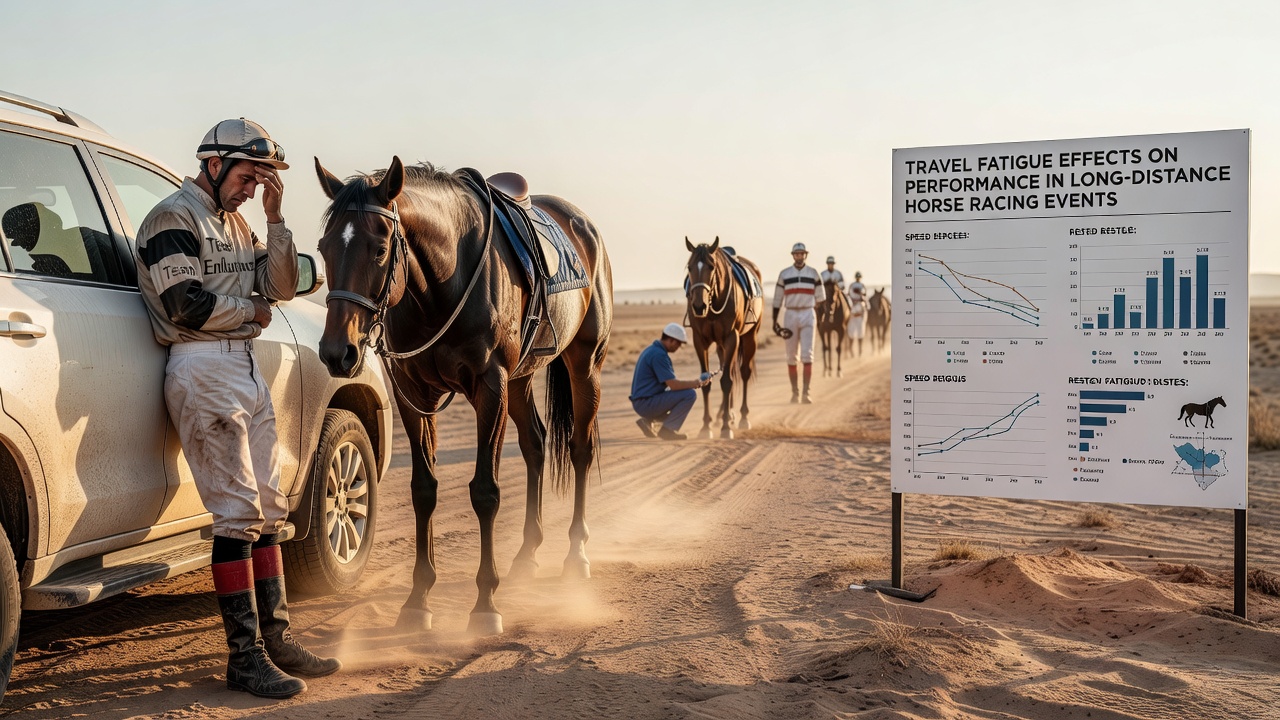
Data compiled by the Australian Racing Board shows that horses completing journeys under six hours maintain finishing-position averages consistent with their pre-travel ratings, whereas animals arriving after 18-hour or longer itineraries post statistically lower speed figures in the opening 800 meters of races. The pattern appears most pronounced in events scheduled within 72 hours of arrival, when glycogen replenishment and neuromuscular coordination have not yet returned to baseline.
Observers note that horses traveling by air often exhibit quicker stabilization of heart-rate variability compared with road-transported counterparts, yet both groups display temporary reductions in voluntary feed intake that delay full recovery. Trainers who stagger arrival times by 10 to 14 days report fewer instances of post-travel colic and a smoother return to timed work, although such schedules remain constrained by quarantine regulations in many jurisdictions.
Mitigation Approaches Used by Professional Teams
Commercial shippers and racing stables have adopted padded partitions, automated watering systems, and climate-controlled compartments that reduce mechanical stress during transit. Electrolyte supplementation administered before and after loading helps maintain fluid balance, while scheduled rest stops every four to six hours allow horses to lower their heads and clear respiratory passages. Research published in the Equine Veterinary Journal demonstrates that these interventions lower the incidence of transport-related pleuropneumonia and shorten the interval required for return to full training intensity.
Some European trainers now coordinate with local studs near destination tracks so that horses can complete final quarantine and acclimatization phases in familiar surroundings rather than at busy racecourse stables. This practice gained wider adoption following regulatory updates issued by the European Commission in early 2026 that extended minimum rest periods for animals crossing multiple member states.
Monitoring Technologies and Future Directions
Wearable heart-rate monitors and GPS trackers fitted during travel provide real-time data that allow grooms to intervene when stress indicators spike. Algorithms developed by veterinary technology firms flag deviations from individual baselines, prompting adjustments in ventilation or rest intervals before clinical signs appear. Continued refinement of these tools may enable more precise scheduling of arrival windows that align with each horse's physiological recovery curve.
Conclusion
Travel fatigue remains a quantifiable factor in long-distance horse racing performance, and ongoing studies continue to quantify its effects on recovery timelines, muscle function, and early-race speed. Teams that integrate veterinary monitoring, optimized transport conditions, and extended acclimatization windows record more consistent results across international and interstate fixtures. As regulatory frameworks evolve and monitoring technology advances, the management of transport-related stress will likely become an increasingly standardized component of preparation for endurance events.