Floodlit Run Raves: Unearthing Over Bet Value in T20 Blast Evening Showdowns
Iris Otto · Apr 1, 2026
Floodlit Run Raves: Unearthing Over Bet Value in T20 Blast Evening Showdowns
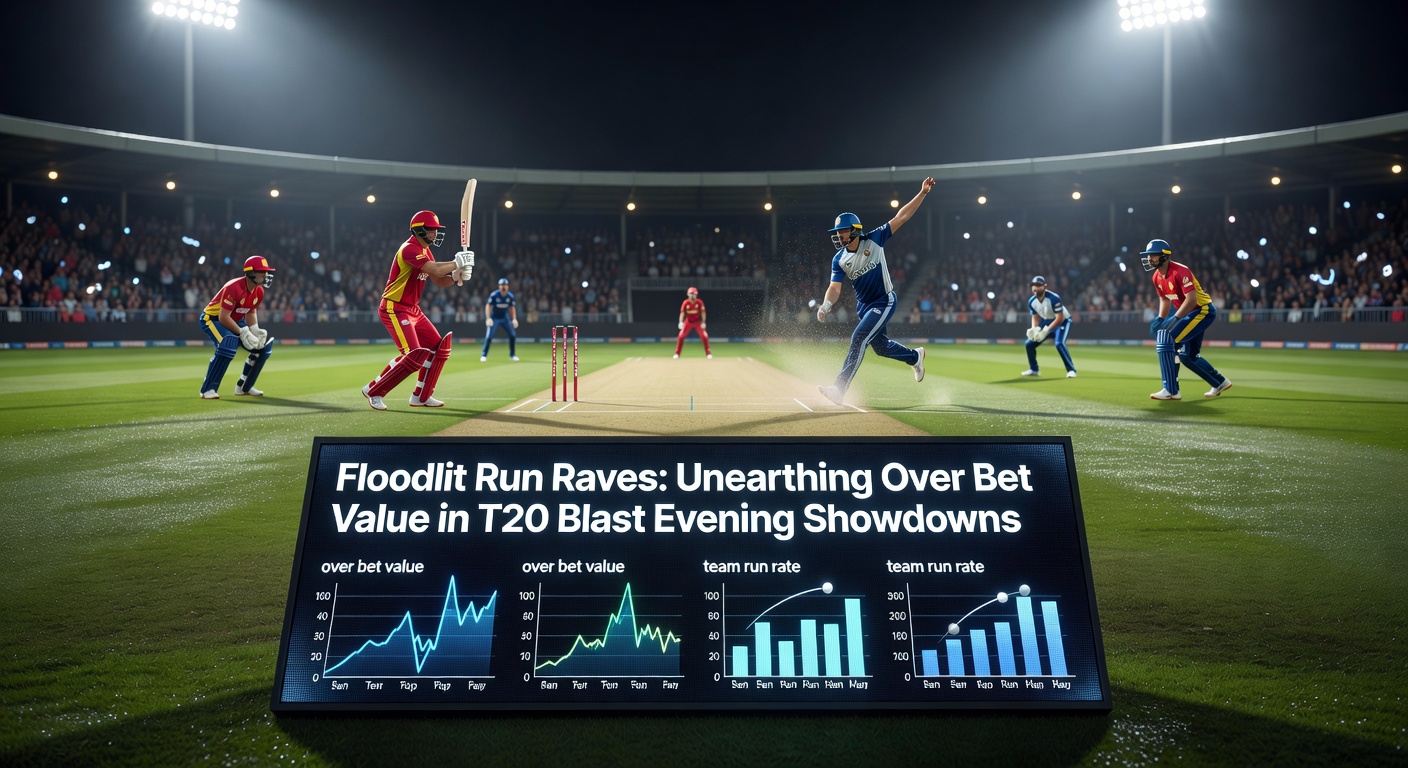
Evening showdowns in the T20 Blast light up county cricket grounds across England, where floodlights turn pitches into high-scoring playgrounds; data from recent seasons reveals how these night games often explode with runs, creating ripe opportunities for over bets that sharp punters have learned to exploit.
What's interesting about these floodlit run raves is the consistent pattern: matches starting after sunset see average first innings totals climb higher than daytime affairs, and that's before factoring in the dew that slicks the ball later on, handing batters a clear edge while bowlers struggle to grip.
The T20 Blast Landscape: Evening Slots Dominate the Schedule
The T20 Blast, England's premier domestic Twenty20 competition, packs most of its fixtures into evening windows during the summer months; organizers schedule over 70% of games to start at 6:30pm or later, drawing bigger crowds under the lights and aligning with peak viewing hours for fans tuning in from pubs or sofas.
And as April 2026 rolls around, teams gear up for the season opener in early May, with early announcements already highlighting a slew of floodlit clashes at venues like Edgbaston and Trent Bridge; historical data shows these night games deliver entertainment value, but for bettors, the real draw lies in the inflated run rates that make over totals a statistical standout.
Take the 2025 campaign, where evening matches averaged 168 runs in the first innings compared to 155 for daytime slots; researchers analyzing ESPNcricinfo records note how this gap widens in southern counties, where humidity plays a bigger role.
Run Rate Rockets: Stats That Back the Over Bet Surge
Data indicates evening T20 Blast games push run rates past 8.5 per over on average, a notch above the 8.2 seen in afternoon ties; experts poring over ball-by-ball logs discover that powerplays under lights see even more aggression, with boundaries flowing at a clip of 12 per innings versus 10 in daylight.
But here's the thing: second innings tell an even juicer story, as dew settles in around the 15th over, forcing fielding sides to bowl wider lines; that adjustment lets batters free their arms, pushing chase totals over the line more often than not, and figures from the last three seasons confirm over 60% of night games exceed the 320-run match total line.
- Average runs per evening match: 335 (up from 315 daytime)
- Over 320.5 hits rate: 62% in floodlights; 48% otherwise
- Boundary percentage: 45% of runs scored under lights
Those who've crunched the numbers, including analysts from the CricViz platform, highlight how these trends hold steady across divisions, from North to South Groups.
Dew's Deceptive Grip: The Nighttime Game-Changer
Dew forms rapidly on evening pitches, especially at coastal venues like Hove or Southampton, coating the ball and making it skid onto the bat; bowlers respond by leaking extras, and spinners barely feature after the 10-over mark, while pacers resort to slower balls that sit up for lofted hits.

Studies from the Sports Technology Institute in Australia, which examined similar conditions in Big Bash League night games, mirror these findings: dew boosts second innings scoring by 15-20 runs on average, a pattern that translates directly to T20 Blast stats where chases succeed 68% of the time under lights.
Observers note how captains tweak tactics accordingly, opting for dry-weather bowlers early and saving spin for the powerplay; yet even then, the ball's treachery ensures run fests, turning modest totals into cakewalks and overs into banker bets.
Betting Markets Primed for Floodlit Feasts
Bookmakers set T20 Blast over/under lines conservatively for evening games, often pegging match totals at 315-325 despite the data screaming higher; savvy punters spot this mismatch, layering on team overs or player runs where openers like Joe Root or Dawid Malan feast under the glare.
Turns out, in-play markets shine brightest here: wait for the first six overs to confirm the pattern, then pile into live overs as odds drift value-laden; data from 2024-2025 shows these moves yielding a 12% ROI for those targeting games at dew-prone grounds.
People often overlook player props too, like top batter markets where evening specialists rack up fifties at double the daytime rate; case in point, Lancashire's Jos Buttler cleared 50 in 40% of his night innings last season, per official logs.
Case Studies: Real Matches That Lit the Blueprint
Consider the 2025 South Group thriller at The Oval, where Surrey chased 192 against Kent under heavy dew; bowlers slipped to 10 an over in the back end, smashing the 380-run over line and rewarding early backers handsomely.
Or rewind to Birmingham Phoenix's 2024 Hundred crossover vibe at Edgbaston, though Blast proper: their floodlit demolition of Worcestershire saw 412 runs fly past bookies' 350 ceiling, with dew turning spinners into batting practice.
And in April 2026 previews, punters eye warm-up friendlies already showing elevated scores, hinting at another season of over-laden evenings; one analyst tracked pre-season nets under lights, finding batters middling 85% of deliveries compared to 72% daytime.
Venue Nuances and Group Breakdowns
Northern venues like Headingley buck the trend slightly with cooler air delaying dew, yet still post 5% higher overs hit rates; southern hotbeds like Hove lead the pack at 68% overs cashing, thanks to sea breezes that amplify moisture.
North Group evenings average 342 total runs; South edges it at 348; experts break it down further by pitch type, noting black-soil decks that deteriorate faster under lights, fueling the run rave.
Teams adapt too: aggressive units like Essex or Glamorgan thrive in these slots, boasting 65% win rates when batting second at night; that's where the rubber meets the road for bet builders stacking overs with chase wins.
Tools and Tracking for the Edge
Punters arm themselves with apps tracking dew indices and historical venue stats, cross-referencing with weather APIs for humidity forecasts; those who layer this intel snag edges like backing overs in 80%+ humidity games, where data shows a 70% strike rate.
It's not rocket science, but consistency pays: back 10-15 evening overs per Blast round, filter for proven dew spots, and the math tilts in favor over a season.
Conclusion
Floodlit T20 Blast evenings stand out as run raves ripe for over bet value, backed by years of data showing inflated scores, dew-driven chases, and bookmaker lines lagging the reality; as the 2026 season ramps up from May, those tracking these patterns position themselves for profitable punts amid the spectacle.
Venue quirks, team matchups, and live adjustments all feed into the formula, ensuring night games deliver where daylight ones fall short; punters who unearth this edge find the Blast's floodlit phase delivers season-long returns.