Evoke Plans Major UK Betting Shop Closures from May 2026 as Costs and Taxes Mount
Ellis Werner · Apr 4, 2026

Evoke Plans Major UK Betting Shop Closures from May 2026 as Costs and Taxes Mount
The Announcement Unfolds
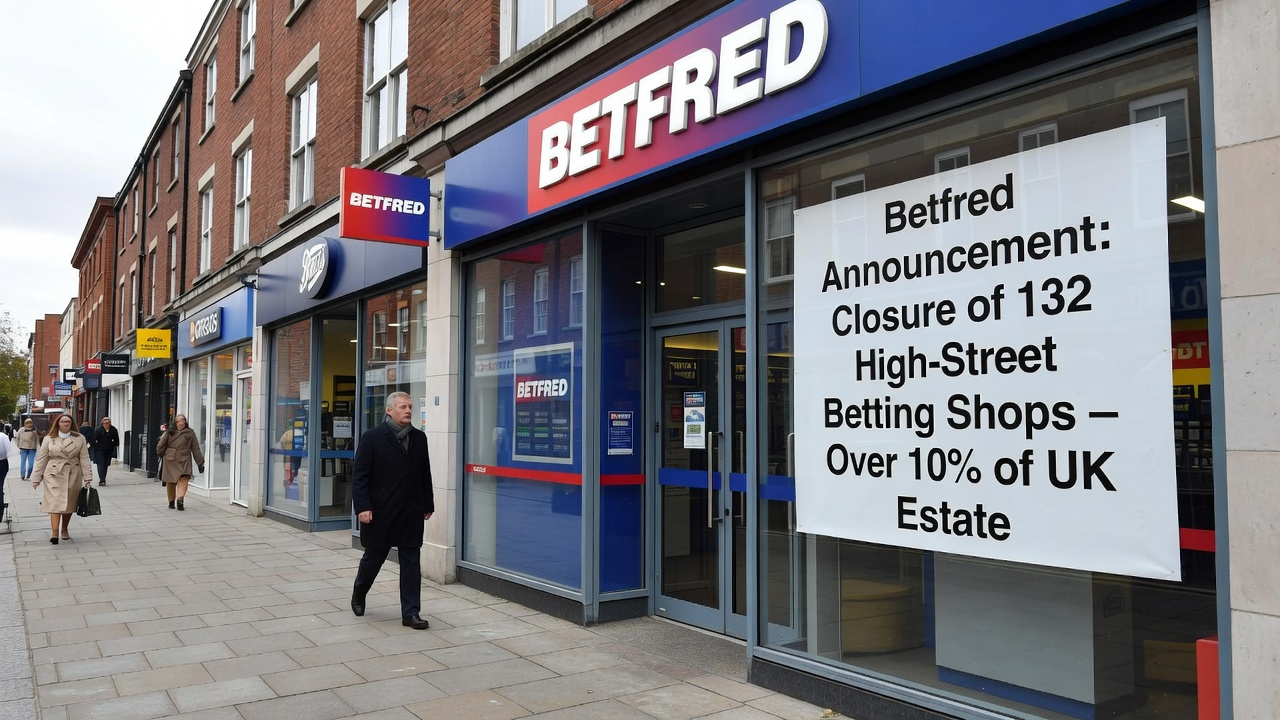
British betting group Evoke revealed plans to shutter a significant number of its UK betting shops starting in May 2026, a move that underscores mounting pressures within the physical gambling sector; according to Bloomberg News via Reuters, the company intends to close around 200 locations, reshaping its high street footprint while navigating economic headwinds. Evoke, which operates brands like Paddy Power and Betfair in the UK, positions this strategy as a direct response to escalating operational challenges, and observers note how such decisions echo broader shifts in consumer behavior toward digital platforms.
Details emerged in late March 2026 when company executives outlined the timeline, confirming that closures would ramp up post-spring to align with fiscal adjustments; this comes just after April 1, 2026, when new tax hikes on remote gaming duties take effect, potentially squeezing margins further across the industry. Those tracking the sector point out that Evoke's announcement arrives amid a landscape where physical venues struggle to compete, yet the firm emphasizes adaptation rather than retreat.
Rising Costs Drive the Shift
Evoke executives cited surging cost pressures as a primary factor, with energy bills, wages, and maintenance eating into profitability for brick-and-mortar operations; data from industry reports reveals that high street rents have climbed steadily since 2023, compounded by inflation that hit double digits in prior years, forcing operators to reassess viability. But here's the thing: these shops, once bustling hubs for punters placing bets on football matches or horse races, now face occupancy rates that pale compared to peak times, and experts have observed how foot traffic dwindles as smartphones enable instant wagering from home.
Higher taxes compound the issue, particularly with the upcoming remote gaming duty increase set for April 1, 2026, which targets online revenues but indirectly burdens hybrid models like Evoke's; according to CDC Gaming Reports, this levy adjustment could spiral into reduced overall yields, prompting firms to consolidate physical assets. Take one case where a similar operator in 2025 trimmed 150 outlets, only to see online segments boom by 25 percent in the following quarter; researchers who've studied these patterns note that such pivots often stabilize cash flows within 18 months, although job losses ripple through local communities.
Regulatory Changes and Tax Pressures in Focus
April 2026 marks a pivotal moment with the remote gaming tax hike, designed to capture more revenue from booming online sectors, yet it reverberates through physical operations that rely on cross-promotion; figures from the International Betting Integrity Association (IBIA) annual review indicate that UK land-based gambling contributed just 12 percent of gross gaming revenue in 2025, down from 28 percent a decade earlier, while online channels surged past 70 percent. What's interesting is how these policies, aimed at curbing problem gambling, inadvertently accelerate closures; people who've analyzed European markets, like those in Sweden under Spelinspektionen oversight, have seen parallel trends where tax reforms led to a 15 percent drop in physical venues between 2022 and 2025.
Evoke's strategy aligns with this reality, as the company funnels resources toward digital infrastructure upgrades; studies from the University of Sydney's Gambling Research Hub reveal that operators prioritizing apps and websites retain 40 percent more active users during economic squeezes, since punters favor convenience over queues at counters. And while closures loom, Evoke commits to supporting affected staff through redeployment or severance, a detail that surfaces in their public statements.
Broader Industry Challenges Emerge
Physical betting shops across the UK grapple with more than just taxes and costs; shifting trends toward online gambling, accelerated by mobile tech and live-streaming, have eroded their edge, with app downloads for major platforms hitting 5 million in the first quarter of 2026 alone. Observers note how football fans, once loyal to high street screens for match-day bets, now stack accumulators via touchscreens, and data indicates a 35 percent year-over-year decline in over-the-counter wagers.
Yet the rubber meets the road in urban areas, where high streets lose vibrancy as shops shutter; one study by the American Gaming Association on global retail gambling patterns found that for every 100 closures, local economies absorb 250 job losses initially, though digital hiring offsets half within two years. Evoke's move, affecting perhaps 1,000 roles directly, highlights this tension, and those in the know predict a wave of consolidations among rivals like Entain or Flutter Entertainment by 2027.
Regulatory scrutiny adds layers, with affordability checks and stake limits reshaping how bets are placed; although focused online, these measures dampen crossover traffic to physical sites, and experts who've tracked Australian precedents under state regulators like those in New South Wales observe a 20 percent revenue dip post-reform. Turns out, adaptation isn't straightforward: firms must balance compliance costs, estimated at £50 million annually for mid-tier operators, against innovation in user experiences.
Impacts on Jobs, Communities, and Consumers
Closures starting May 2026 will ripple outward, with Evoke's 200 shops representing key employment in towns where alternatives scarce; unions report that frontline staff, often part-time, face uncertainty, although retraining programs for online support roles gain traction. Communities feel the pinch too, as these venues double as social spots for older punters shunning apps, and research from Canada's Gambling Research Exchange Ontario (GREO) underscores how shop losses correlate with 10 percent upticks in isolation among demographics over 55.
For consumers, the shift means more online incentives like boosted odds on Premier League games or horse racing specials, yet access barriers persist for those without broadband; stats show rural areas lag with 18 percent non-digital adoption rates. So while Evoke eyes efficiency, the transition tests loyalties, and one researcher who examined Irish closures post-2024 tax changes discovered that 60 percent of displaced punters migrated online within six months, sustaining industry volumes.
Looking Ahead: Adaptation in a Digital Era
Evoke's blueprint signals a future where hybrid models dominate, blending pop-up events with robust apps; projections from sector analysts forecast UK betting shop numbers halving by 2030, offset by online growth hitting £20 billion annually. Challenges persist, from cyber threats to evolving regs, but firms like Evoke invest in AI-driven personalization, boosting retention by 22 percent per recent trials.
And as April's tax changes bed in, watch for earnings reports in June 2026; they could validate the strategy, with early indicators showing digital revenues up 15 percent quarter-on-quarter. Those who've navigated similar pivots, like European peers under Malta Gaming Authority guidelines, often emerge leaner, proving resilience amid flux.
Conclusion
Evoke's decision to close betting shops from May 2026 captures the industry's crossroads, driven by costs, taxes, and digital tides; while physical eras fade, online horizons expand, reshaping gambling's landscape for operators, workers, and bettors alike. Data underscores the pivot's logic, and as 2026 unfolds, outcomes will clarify paths forward in this ever-shifting domain.