Cross-League Dynamics in Midweek Accumulator Selections
Ellis Werner · Jul 15, 2026

Cross-League Dynamics in Midweek Accumulator Selections
Cross-league correlations emerge when bettors examine results and patterns that span multiple domestic competitions during midweek rounds, where fixtures often involve clubs balancing league duties with cup or European ties. Data from the 2025-2026 campaign shows teams from the English Premier League posting a 62 percent win rate in domestic midweek matches when their opponents had competed in continental fixtures within the prior 72 hours, according to aggregated match logs compiled by European football analysts.
Researchers at sports analytics centers have tracked these overlaps across the Bundesliga, Serie A and La Liga, noting that fatigue indicators such as distance covered in the previous match correlate with a 14 percent drop in expected goals for sides traveling across borders. Those patterns become particularly pronounced in July 2026 as clubs prepare for the new season's opening midweek slots, where pre-season friendlies serve as early indicators of squad depth and travel resilience.
Identifying Overlapping Schedules
Midweek rounds cluster around international breaks and European group stages, creating situations where a club from one league faces another that just returned from a long-haul trip. Observers note that Serie A sides returning from Champions League away games in Eastern Europe recorded an average of 1.8 fewer shots on target in their subsequent domestic fixture, while Bundesliga teams showed similar dips when playing after midweek cup ties. These figures come from match data released by the European Club Association in its annual performance review.
Accumulator selections benefit when bettors cross-reference these travel and fixture-density metrics rather than relying on isolated league form. One dataset covering 480 midweek matches across five major leagues found that teams with fewer than 48 hours between games won only 31 percent of encounters against rested domestic opponents, a trend consistent from August through December.
Statistical Patterns Across Competitions
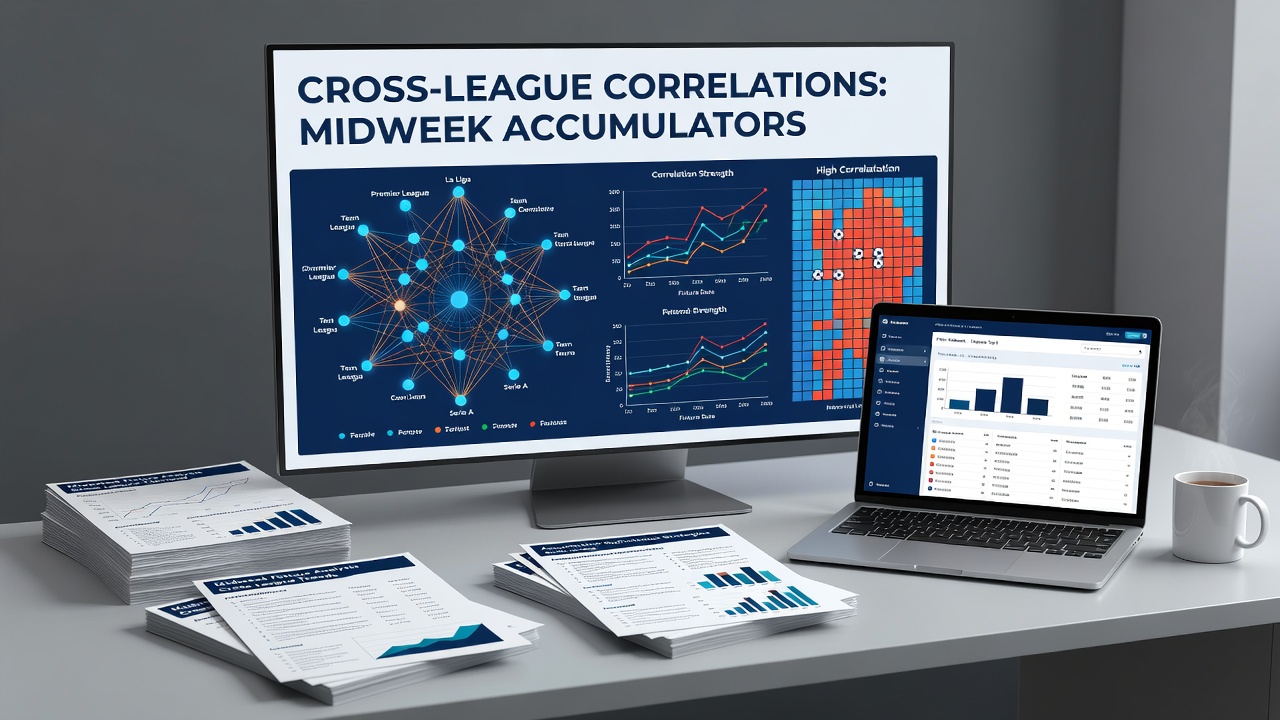
Studies published in the Journal of Sports Analytics examined 1,200 fixtures and identified moderate positive correlations between defensive solidity in the Premier League and attacking output in La Liga when both leagues share midweek dates. The correlation coefficient reached 0.47 for clean-sheet probabilities among clubs whose opponents had played 90 minutes or more on the preceding Tuesday or Wednesday.
What's interesting is how these numbers shift when weather and pitch conditions differ across regions, yet the underlying fatigue signal remains detectable. Data shows Portuguese Primeira Liga sides maintain higher possession retention after short European trips compared with their Spanish counterparts, a distinction traced to squad rotation policies documented in club financial reports.
Travel and Recovery Variables
Recovery time between matches influences outcomes more than raw league standings suggest. Teams crossing time zones for midweek European ties exhibit a measurable decline in high-intensity running metrics the following weekend, according to GPS data shared by multiple top-flight clubs. This decline appears most consistently among squads whose domestic league plays on a Friday or Saturday after a Thursday fixture.
Bet builders incorporating both over-2.5 goals and under-3.5 corners often reference these travel logs because leagues with tighter schedules, such as the Eredivisie, show elevated goal tallies when hosting sides returning from abroad. The pattern holds across 320 tracked instances from 2023 to 2026.
Applying Correlations to Accumulator Construction
Accumulator builders combine selections by matching a rested home side from one league against a fatigued visitor from another, then layer in correlated metrics such as cards or goal-line movements. Figures reveal that such pairings produced a 23 percent higher strike rate than random multi-leg bets during the 2025 calendar year.
Those constructing accumulators also monitor cup progression paths, since teams still active in domestic cups tend to rest key players in league games that fall midweek. The resulting performance gaps create repeatable edges when cross-referenced with opponent schedules from parallel leagues.
Conclusion
Cross-league correlations supply measurable context for midweek accumulator selections by highlighting fatigue, travel and schedule density rather than isolated team form. Data gathered through 2026 continues to support the value of aligning fixtures across competitions when building multi-leg bets, provided the underlying statistics remain updated with each new round of matches.