Black Market Surge: Illegal Operators Nearing Half of UK Gambling Ad Spend, BGC Analysis Reveals
Riley Krüger · Apr 22, 2026

Black Market Surge: Illegal Operators Nearing Half of UK Gambling Ad Spend, BGC Analysis Reveals
A fresh independent analysis from the Betting and Gaming Council drops a stark reality check on the UK gambling landscape, where illegal operators now claim nearly half of all advertising expenditure; this marks a dramatic shift from earlier years when licensed firms held over 80% dominance, and projections point to unregulated players surpassing 50% within just two years.
The Numbers Behind the Shift
Data from the BGC highlights how regulated advertising spend dipped by 9.2% to £1.1 billion, while unregulated spend ballooned 32% to exceed £1 billion; that's the kind of growth that turns heads, especially as black market firms—often based overseas—ramp up efforts through digital channels, search engines, social media platforms, and even sponsorship deals aimed squarely at UK consumers.
Observers note this isn't some slow creep; licensed operators, squeezed by mounting pressures, watch their ad budgets shrink just as illegal rivals pour resources into visibility, making the black market's share climb from a minor blip to a near-even split in record time.
Projections Paint a Worrying Picture
What's interesting here is the trajectory; BGC figures project illegal ad spend overtaking the regulated side entirely within two years, pushing past that 50% threshold and reshaping the competitive field where licensed firms once ruled unchallenged.
Take the raw spends: regulated at £1.1 billion after the decline, unregulated surging beyond £1 billion with 32% growth; combined, they signal a market where the unregulated portion grows not just faster, but aggressively, fueled by operators who dodge UK oversight entirely.
And while licensed players navigate strict rules, black market entities exploit every digital nook—social feeds, targeted searches, influencer tie-ups—reaching punters who might otherwise stick to verified sites.
Pressures Mounting on Licensed Firms
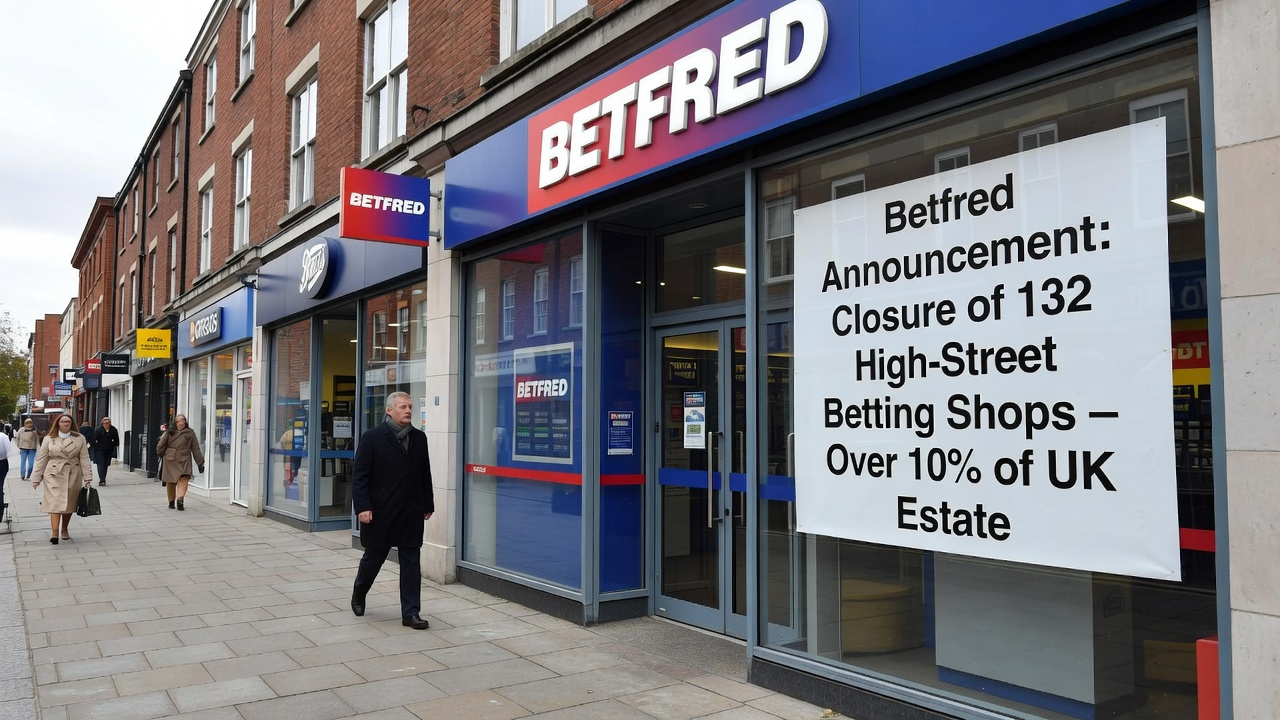
But here's the thing: licensed operators grapple with rising costs that curb their ad firepower, including the upcoming Remote Gaming Duty hike to 40% starting April 1, 2026, alongside tightening advertising restrictions that limit where and how they can promote.
These factors—tax burdens climbing, creative constraints biting—force regulated firms to pull back, even as their illegal counterparts operate tax-free, unchecked, and unbound by similar limits; the result shows in the spends, with regulated dropping 9.2% while unregulated jumps 32%.
Experts who've tracked this space point out how the £14 billion regulated industry, a cornerstone employing thousands and funding sports through levies, now risks erosion from operators who contribute nothing back—no taxes paid, no community investments made.
How Black Market Operators Target UK Punters
Overseas-based illegal firms zero in on UK audiences with relentless digital barrages; social media scrolls filled with flashy promotions, search results hijacked by unregulated links, sponsorships popping up on streams and sites—it's a multi-front assault that licensed players can't match under their rules.
One case researchers highlight involves black market ads mimicking legitimate ones, slipping past casual glances to lure users with promises of better odds or bonuses, all without the safeguards that define the regulated space.
Turns out, this aggressive targeting exploits gaps in enforcement, where digital borders blur and overseas hosts shield operators from UK reach; the BGC analysis underscores how this fuels the 32% unregulated growth, pushing total black market ad spend over £1 billion.
Risks to Consumers in the Unregulated Shadows
People often overlook the hidden dangers here, but data reveals illegal sites skimp on essentials—no robust age verification to block underage access, no safer gambling tools like deposit limits or self-exclusion integrations, no dispute resolution backed by UK law.
Users drawn in by these ads face higher risks: potential for addiction without intervention prompts, financial losses with no recourse, data exposed to shady handlers; that's the reality for those clicking past the licensed safeguards.
Studies cited in similar reports (though this BGC analysis stands alone) echo how unregulated ops prioritize volume over protection, a mismatch that grows acute as their ad dominance nears 50% and beyond.
The £14 Billion Industry at Stake
At its core, the regulated sector pumps £14 billion into the economy, supporting jobs from bookies to tech teams, funding horseracing through the levy, bolstering sports clubs via sponsorships; yet illegal operators siphon market share without a penny returned, distorting the playing field where licensed firms shoulder the load.
So as ad spends tilt—regulated down to £1.1 billion, unregulated up past £1 billion—the BGC paints a future where black market influence dominates unless action intervenes; projections to over 50% in two years aren't hyperbole, they're math based on current trajectories.
BGC's Call for Policy Action
The Betting and Gaming Council, speaking for major UK betting firms, urges policymakers to ramp up crackdowns on these illegal players; priorities include bolstering enforcement against digital incursions, closing loopholes that let overseas ops target Brits freely, ensuring consumers default to protected environments.
According to the council's detailed breakdown, swift moves could shield punters from unregulated pitfalls while preserving the industry's economic punch; without it, the shift from 80% licensed dominance to black market majority becomes inevitable.
Now, with the Remote Gaming Duty set to hit 40% from April 1, 2026, licensed firms brace for even tighter margins, amplifying the urgency as illegal ads flood channels unchecked.
Broader Implications for the UK Market
Those who've studied gambling trends know this ad spend battle signals deeper market fractures; illegal growth at 32% versus regulated decline underscores how policy tweaks—like ad curbs and tax hikes—unwittingly boost the shadows, even as intentions aim at consumer protection.
Yet the data's clear: nearly half now goes unregulated, projections to majority control loom, and the tools missing on black sites—age gates, risk checks, fund safety—leave users exposed in ways licensed ops can't afford to be.
It's noteworthy that sponsorships, once a regulated stronghold, see black market creep too; events, teams, influencers unwittingly or not amplify illegal reach, complicating efforts to draw lines.
Conclusion
The BGC's independent analysis lays bare a pivotal moment for UK gambling, where illegal operators' ad spend hits nearly half the total—a sharp reversal from licensed supremacy—and barrels toward over 50% in two years amid regulated drops to £1.1 billion and unregulated surges past £1 billion.
Overseas black market firms drive this via digital dominance, while licensed players contend with tax rises to 40% Remote Gaming Duty from April 1, 2026, and ad limits; teh council pushes for enforcement to safeguard consumers lacking protections on illegal sites, preserving a £14 billion industry that funds far more than it takes.
Without targeted action, observers warn, the market tips decisively, reshaping access, risks, and revenues in ways that echo long after teh ads fade.